
Screen Time vs. Smart Screen Time: What Every Parent Needs to Know
Guide Nora · October 22, 2026 · 4 min read
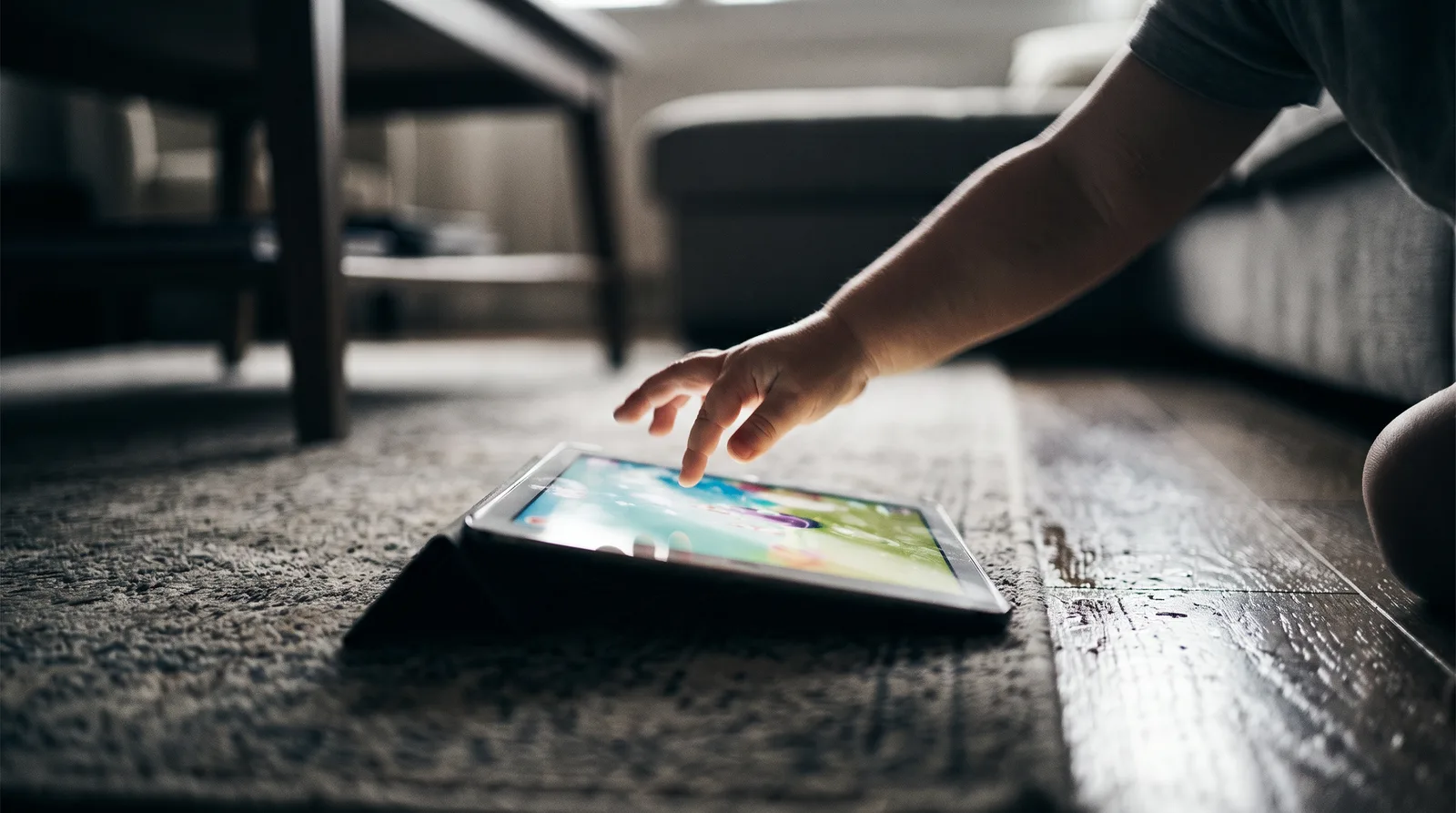
Every few months, a new headline lands in parents' feeds warning about screen time. Too much of it. The dangers of it. The limits pediatricians recommend. And every time, a wave of guilt follows — because the truth is, screens are part of life now, and pretending otherwise doesn't help anyone.
Here's what I want you to consider instead: the problem was never the screen. It's what's happening on it.
There's a meaningful difference between a child who spends two hours watching random YouTube videos and a child who spends two hours creating, problem-solving, performing, or learning something new. The clock looks the same. The outcome is completely different.
What Passive Screen Time Actually Looks Like
Passive screen time is easy to recognize once you know what you're watching for. It's the scroll. The autoplay. The glazed-over expression where your child isn't really doing anything — they're just receiving.
Signs your child is in passive consumption mode:
- They can't tell you what they just watched or why it mattered
- They move from one video or episode to the next without any choice or intention
- They resist stopping not because they're engaged, but because the loop is comfortable
- Nothing they watched shows up in what they say, make, or do afterward
None of this makes your child bad or your parenting wrong. These platforms are engineered to keep people watching. Recognizing the pattern is the first step to changing it.
What Smart Screen Time Looks Like
Smart screen time has a few defining qualities: it's purposeful, interactive, and skill-building. Your child is an active participant, not just an audience.
Ask yourself these three questions about any screen activity:
1. Is my child making decisions? Games, programs, and activities where kids choose, respond, create, or lead engage the brain differently than content they just watch. Decision-making — even small decisions — activates higher-order thinking.
2. Is my child gaining a transferable skill? Reading, storytelling, math reasoning, emotional vocabulary, creative expression, leadership — these are skills that move with a child into the real world. If your child's screen time is building any of these, that time is working for them.
3. Could they teach me something afterward? This is my favorite test. If a child can explain, demonstrate, or show you what they learned, that content engaged their mind — not just their eyes.
The Shift Every Parent Can Make Today
You don't need to cut screen time. You need to curate it.
Here are three practical moves you can make right now:
Replace one passive session with one active one. You don't have to overhaul everything at once. Find one time slot in the week where your child currently watches passively and swap it for something that asks something of them — a creative challenge, an interactive program, a lesson they can participate in.
Watch together and ask questions. Even content that isn't inherently educational becomes more valuable when a parent engages with it. "Why do you think that character made that choice?" or "What would you have done?" turns passive viewing into active thinking. You're modeling critical thinking in real time.
Give screen time a job. Kids respond to purpose. Instead of "you can have screen time now," try "let's find something that teaches you something you want to know." Letting children have input in choosing purposeful content gives them ownership — and that's the beginning of self-directed learning.
Why This Matters More Than the Clock
When we only focus on minutes and hours, we miss the bigger picture. A child who spends 90 minutes building literacy, practicing creative expression, or developing leadership skills through a structured digital experience is growing. A child who spends 30 minutes in a passive content loop is not — regardless of which one hit the recommended daily limit.
I'm not saying limits don't matter. They do, especially for sleep, movement, and family connection. But limits alone don't make screen time better. Intentionality does.
The goal isn't less screen time. It's screen time that leaves your child with something — a skill, an idea, a spark of curiosity — that they carry with them when the screen turns off.
That's the shift worth making. And the good news is, you don't have to figure it out alone.